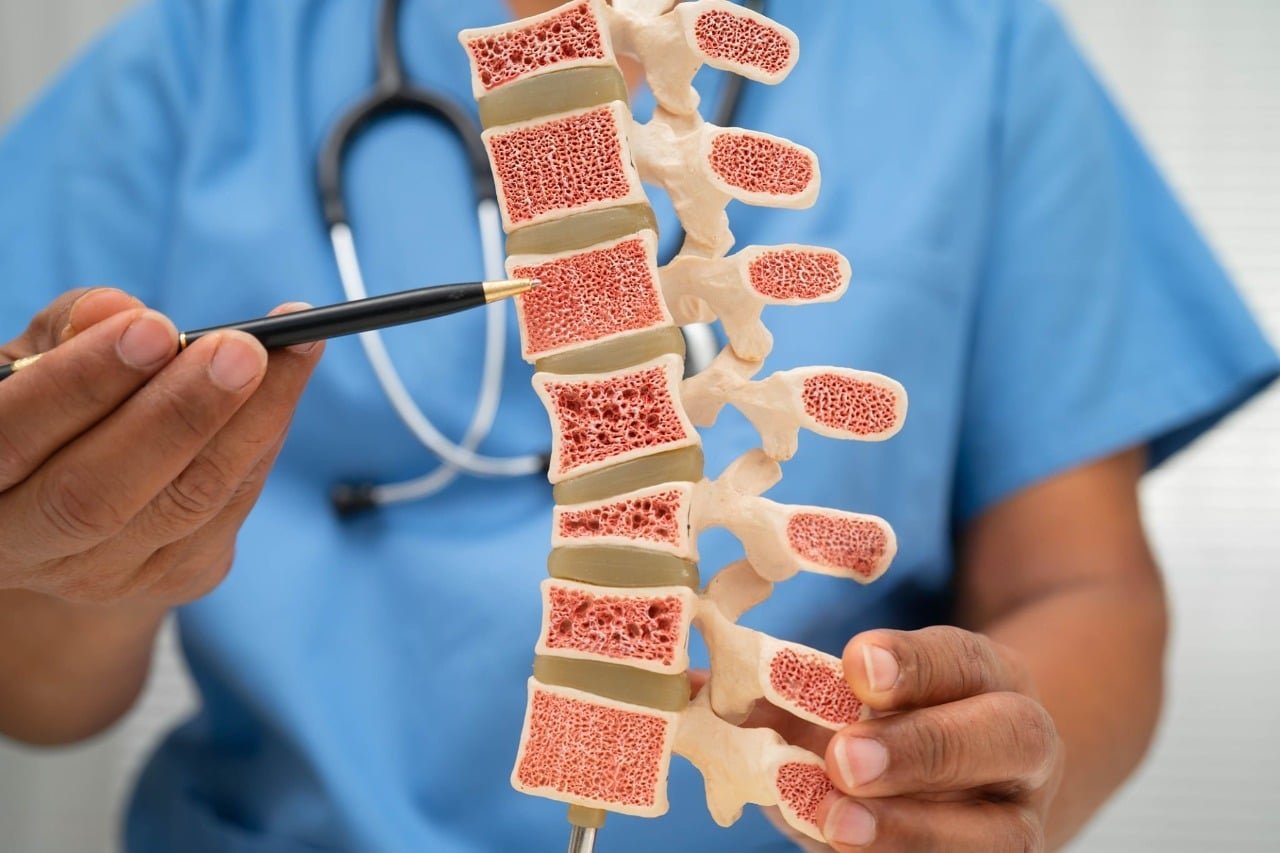
Nearly 1 in 4 diagnostic spine scans in India now involve adults under 40, driven by prolonged desk sitting, smartphone posture (“text neck”), weak core muscles, and unguided heavy workouts. While mild muscle stiffness often improves with rest and ergonomic adjustments, you should consult a spine specialist immediately if neck or lower back pain lasts beyond 2 weeks, radiates into your arms or legs, or causes tingling, numbness, or muscle weakness.
Back and neck pain are no longer conditions reserved for retirement. Across diagnostic centers and neurosurgical clinics in India, clinical data shows that almost 25% of spine investigations now involve working professionals, students, and young parents under the age of 40.
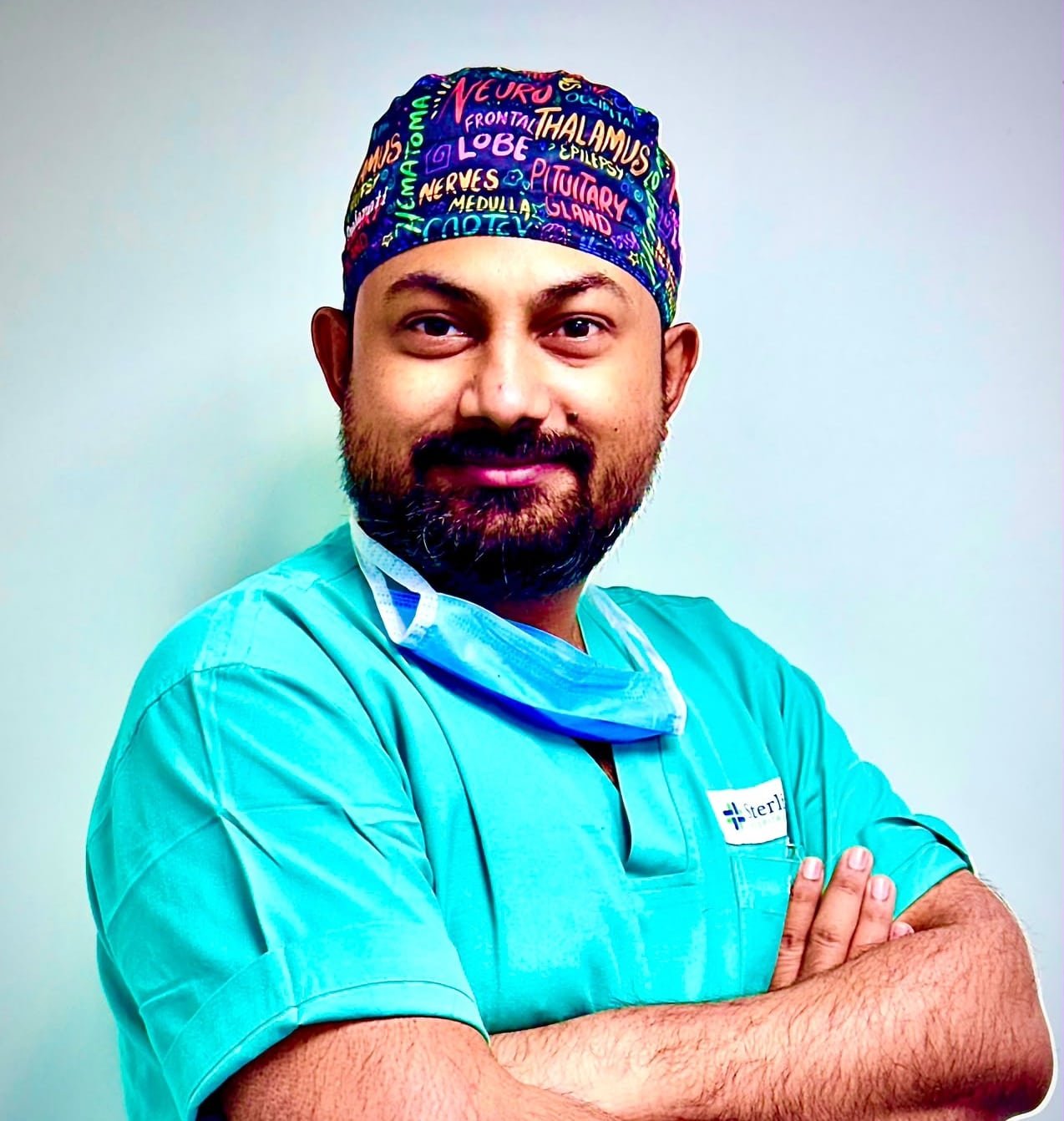
As a Consultant Neurosurgeon and Brain & Spine Specialist at Sterling Hospital, Gurukul, Ahmedabad, Dr. Ankit Prajapati regularly treats patients in their late 20s and 30s presenting with premature cervical disc bulges, lumbar slip discs, and nerve compression. Understanding why young spines are wearing down faster—and recognizing the red-flag signs that require expert medical evaluation—helps prevent temporary discomfort from turning into chronic nerve damage.
Why Are Spine Problems Rising So Rapidly Under 40?
The human spine is engineered for regular movement, yet modern urban routines lock it into sustained mechanical overload for 10 to 14 hours a day. Several compounding factors explain this generational shift:
-
Prolonged Desk Work & Sedentary Hours: Continuous sitting places up to 40% more pressure on lumbar spinal discs than standing upright. Without regular movement breaks, discs lose hydration and elasticity prematurely.
-
“Text Neck” & Forward Head Posture: Tilting your head forward at a 45-to-60-degree angle while looking at a smartphone or laptop places up to 20–27 kg of extra force on the cervical spine, accelerating neck disc wear and muscle fatigue.
-
Daily Two-Wheeler Commuting on Uneven Roads: Navigating traffic and potholes on two-wheelers subjects the lower lumbar spine to repeated jarring micro-trauma.
-
Sudden “Weekend Warrior” or Unguided Gym Workouts: Jumping into heavy deadlifts, squats, or high-impact workouts with weak core muscles and poor form frequently triggers acute lumbar disc herniation.
-
Vitamin D Deficiency & Smoking: Low Vitamin D levels weaken bone and muscular support, while smoking constricts the tiny blood vessels that nourish spinal discs, speeding up degeneration.
Common Spine Conditions Seen in Young Adults
When early strain goes unaddressed, young adults frequently develop structural spine conditions that irritate nearby nerve roots:
-
Cervical Disc Bulge & Spondylosis: Wear-and-tear in the neck discs causing persistent stiffness, headaches at the base of the skull, and pain radiating into the shoulder blade or arm.
-
Lumbar Disc Herniation (“Slip Disc”): When the soft inner cushion of a lower back disc pushes outward and presses against a spinal nerve root.
-
Sciatica (Lumbar Radiculopathy): Sharp, burning, or electric-shock pain shooting from the lower back through the buttock and down the back of one leg.
-
Myofascial & Postural Back Strain: Deep muscle tightness and spasms triggered by weak core stability and non-ergonomic work-from-home setups.
Muscle Strain vs. Nerve Compression
Most everyday backaches are simple muscular strains that respond well to short-term rest, gentle stretching, and posture correction. However, when a disc or bone spur presses on a spinal nerve, the symptoms change distinctly:
| Feature | Simple Muscle Strain | Spinal Disc / Nerve Compression |
| Pain Location | Localized ache in the neck, shoulder, or lower back | Radiates into the arm, fingers, buttock, thigh, or foot |
| Type of Sensation | Dull ache, stiffness, or tightness | Sharp, burning, shooting, or “electric shock” pain |
| Neurological Signs | None | “Pins and needles” tingling, numbness, or heavy limbs |
| Muscle Strength | Normal strength | Weak hand grip, trouble lifting toes (“foot drop”), or leg buckling |
| Recovery Timeline | Improves steadily within 7 to 14 days | Persists or worsens beyond 2 weeks despite rest |
6 Warning Signs You Should See a Spine Specialist
Do not rely indefinitely on over-the-counter painkillers or unverified massages if your body is sending neurological warning signals. Consult an experienced spine specialist in Ahmedabad if you notice any of the following:
-
Pain Lasting Longer Than 2 Weeks: Back or neck pain that fails to improve with basic rest and posture changes—or wakes you up at night—needs clinical diagnosis.
-
Radiating Arm or Leg Pain: Pain traveling below the elbow into your fingers, or below the knee into your calf and foot, signals active nerve root irritation.
-
Persistent Numbness or Tingling: Frequent “pins and needles” sensation in your hands, arms, legs, or feet means a nerve is under sustained pressure.
-
Progressive Weakness or Clumsiness: Dropping objects unexpectedly, struggling to button a shirt, or feeling your leg give way while walking indicates motor nerve involvement.
-
Pain Following a Fall, Sports Injury, or Road Accident: Trauma can cause hairline vertebral fractures or acute disc shifts that require prompt imaging.
-
Emergency Red Flags (Seek Immediate Care): Sudden loss of bladder or bowel control, numbness in the groin/inner thigh (“saddle anesthesia”), or rapid paralysis in both legs are signs of Cauda Equina Syndrome or acute spinal cord compression—a surgical emergency.
How Modern Spine Care Treats Slip Disc & Nerve Pain
A common misconception among young patients is that visiting a neurosurgeon automatically means undergoing surgery. In reality, over 85% to 90% of young adults with slip discs recover without surgery when diagnosed early and managed systematically:
-
Precision Diagnosis: Targeted digital X-rays or high-resolution MRI scans pinpoint the exact disc level and degree of nerve compression.
-
Targeted Medications & Neuro-Rehabilitation: Short courses of anti-inflammatory and nerve-calming medications paired with customized core-stabilization physiotherapy relieve nerve irritation and strengthen spinal support.
-
Image-Guided Epidural / Nerve Root Blocks: For severe sciatica or cervical radiculopathy that limits physiotherapy, targeted pain-relief injections calm localized nerve inflammation safely.
-
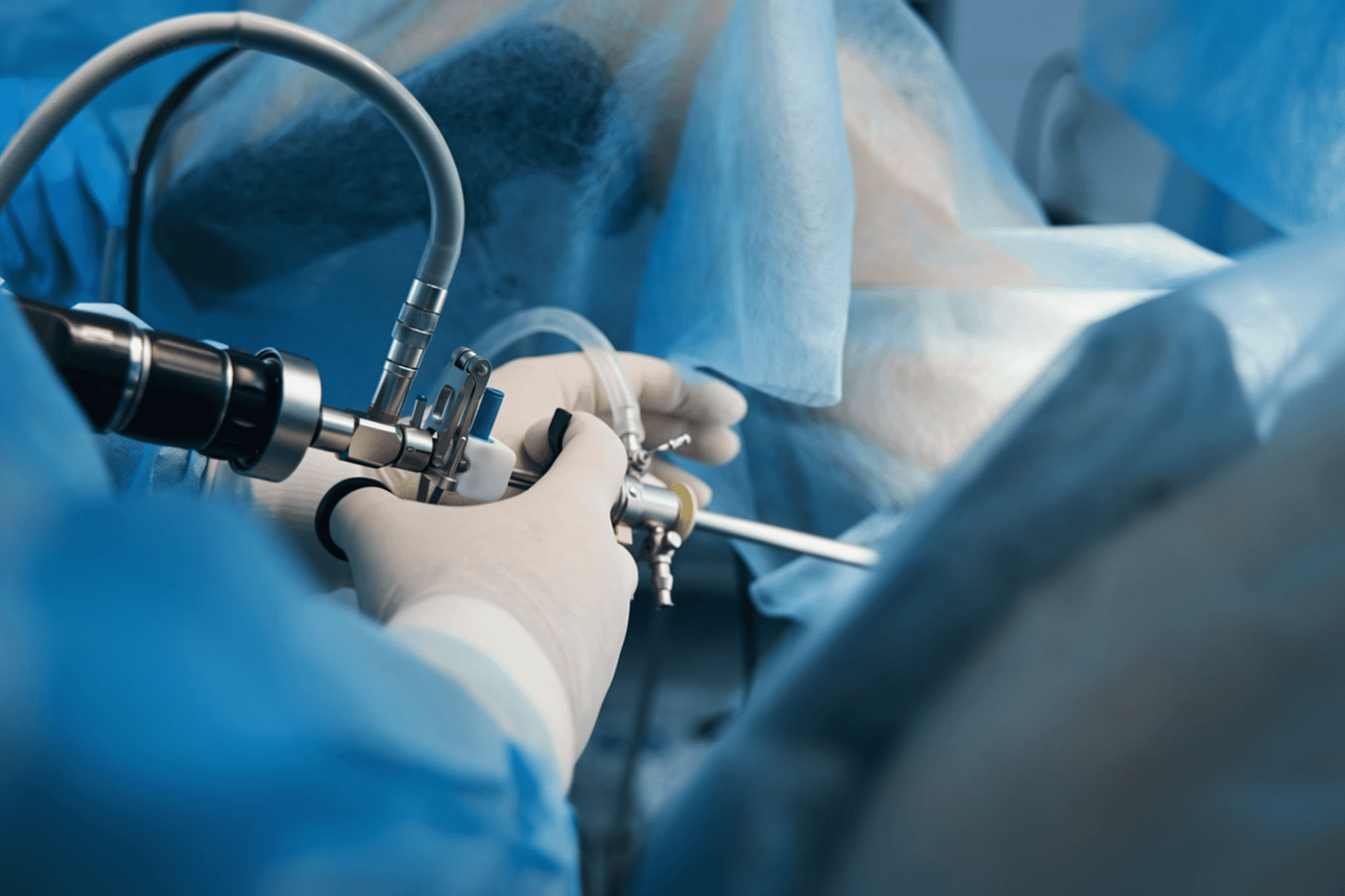
Minimally Invasive & Endoscopic Spine Surgery: When severe nerve compression persists despite conservative care—or when progressive muscle weakness threatens permanent nerve damage—modern keyhole procedures (such as endoscopic discectomy or microdiscectomy) remove only the herniated fragment through a tiny incision, preserving healthy muscles and allowing patients to walk the very next day.
5 Daily Habits to Protect Your Spine in Your 20s and 30s
-
Follow the 30-30 Movement Rule: Stand up, stretch, or walk for 2 minutes every 30 to 45 minutes of desk work.
-
Bring Screens to Eye Level: Elevate your laptop monitor to eye height and hold your phone higher rather than bending your neck downward.
-
Build Core & Glute Endurance: Incorporate planks, bird-dogs, bridges, and brisk walking 4 to 5 days a week to offload pressure from lumbar discs.
-
Lift with Your Legs, Never Your Rounded Back: Keep weights close to your body and engage your core before lifting heavy objects or gym weights.
-
Maintain Healthy Body Weight & Hydration: Keeping excess weight off your midsection directly reduces daily mechanical compression on your lower spine.
Frequently Asked Questions (FAQs)
1. Does a slip disc in your 20s or 30s always require spine surgery?
No. Nearly 85% to 90% of young patients with a slip disc improve completely with structured conservative care—including targeted physiotherapy, ergonomic correction, and short-term medication. Surgery is only considered if severe pain fails to improve after 6 to 8 weeks of conservative treatment, or if there is progressive muscle weakness or bladder/bowel symptoms.
2. Should I get an MRI scan immediately for mild back or neck pain?
Not necessarily. Simple muscle strains without radiating pain, numbness, or weakness usually settle within 1 to 2 weeks. A spine specialist typically recommends an MRI if pain persists beyond 2 to 4 weeks, radiates into your limbs, or involves neurological red flags.
3. Is walking or bed rest better for lower back pain and sciatica?
Prolonged bed rest weakens back muscles and worsens stiffness. Short, gentle walks on flat ground—within pain-free limits—promote blood circulation to healing discs and prevent stiffness, whereas heavy lifting, forward bending, and high-impact twisting should be avoided until evaluated.
4. Can gym workouts cause a permanent slip disc?
Improper lifting technique – especially rounding the lower back during heavy deadlifts, squats, or overhead presses—can cause a disc bulge or herniation. With proper medical recovery, core strengthening, and form correction, most young patients safely return to fitness routines.
5. Why does neck pain sometimes cause headaches and finger tingling?
Irritation of upper cervical joints and muscles frequently refers pain upward to the back of the head (cervicogenic headache), while compression of lower cervical nerve roots (C5–C8) sends pain, numbness, or “pins and needles” down the arm into specific fingers.
6. How fast is recovery after minimally invasive spine surgery today?
With modern endoscopic and microsurgical techniques that avoid cutting major back muscles, most patients stand and walk within 24 hours of surgery, return to desk work in 1 to 2 weeks, and resume normal active lifestyles much faster than with traditional open surgery.
Consult a Trusted Spine Specialist in Ahmedabad
Early evaluation is the most reliable way to protect your spine and stay active without chronic pain. Dr. Ankit Prajapati, Consultant Neurosurgeon and Brain & Spine Specialist at Sterling Hospital, Gurukul, Ahmedabad, offers comprehensive diagnostics, non-surgical lower back pain and slip disc treatment, and advanced minimally invasive spine care tailored for young adults and working professionals.
If persistent neck pain, backache, or sciatica is affecting your work or sleep, schedule a consultation with Dr. Ankit Prajapati at Sterling Hospital, Gurukul, Ahmedabad for an accurate diagnosis and personalized recovery plan.
Dr. Ankit Prajapati
Consultant NeurosurgeonDr. Ankit Prajapati is a leading Consultant Neurosurgeon specializing in advanced Brain and Spine Surgery, Minimally Invasive Endoscopy, and Neuro-Endovascular interventions. Practicing at Sterling Hospital, Gurukul, Ahmedabad, Gujarat - India, he leads comprehensive neurological and neurosurgical care for complex cranial and spinal conditions. His clinical expertise spans precision brain tumour surgery, endovascular stroke management, brain hemorrhage evacuation, and endoscopic treatments for slip disc and spinal fractures. Committed to clinical excellence and surgical safety, his patient-first approach integrates modern technology with dedicated neuro-critical care to ensure smooth recovery and long-term neurological wellness.