Nerve Root Blocks & Injection Treatment for Neck & Back Pain
Nerve root blocks and targeted spinal injections are minimally invasive, image-guided pain management procedures that deliver anti-inflammatory medication and local anesthetic directly around an irritated spinal nerve root or inflamed spinal joint to relieve neck pain, lower back pain, sciatica, and cervical radiculopathy without open surgery. At Sterling Hospital, Gurukul, Ahmedabad, Dr. Ankit Prajapati (MBBS, MS, MCh Neurosurgery) uses real-time fluoroscopic/image guidance to calm nerve inflammation, confirm the exact pain-generating nerve level, and help patients participate comfortably in spine rehabilitation—often avoiding or delaying open spine surgery.
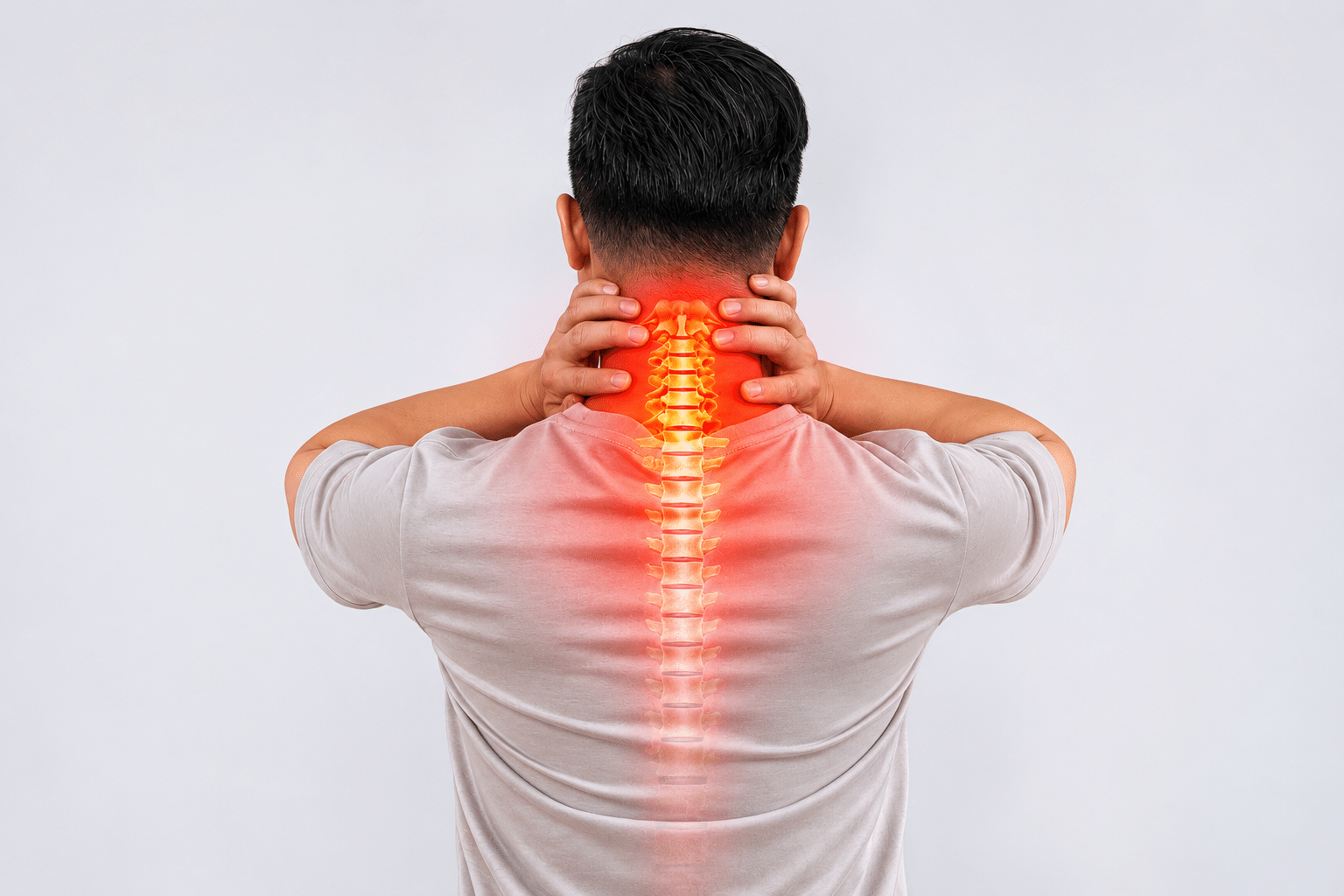
Persistent neck stiffness, radiating arm pain, or sharp sciatica shooting down the leg can disrupt sleep, work, and everyday movement. When oral pain medications and initial physiotherapy provide only partial relief, many patients worry that open spine surgery is their only option left.
As a Consultant Neurosurgeon and Brain & Spine Specialist at Sterling Hospital, Gurukul, Ahmedabad, Dr. Ankit Prajapati offers selective nerve root blocks (SNRBs) and targeted spinal injection treatments as part of a step-wise, conservative-first spine care plan—helping patients calm acute nerve inflammation safely and regain comfortable mobility.
What Are Nerve Root Blocks and Targeted Spinal Injections?
Along each level of your cervical (neck), thoracic (mid-back), and lumbar (lower-back) spine, delicate spinal nerve roots branch off from the spinal cord to carry signals to your shoulders, arms, hands, hips, legs, and feet. When a bulging or herniated disc (“slip disc”), bone spur, or narrowed nerve canal presses against one of these nerve roots, the nerve becomes swollen and hyper-sensitive.
A selective nerve root block (SNRB)—alongside related image-guided spinal injections—places a precise blend of local anesthetic and corticosteroid directly next to the affected nerve root or painful spinal structure under live X-ray (fluoroscopy) or imaging guidance:
-
Therapeutic Pain Relief: Potent anti-inflammatory medication reduces swelling and irritation around the pinched nerve root, easing radiating pain in the neck, shoulder, arm, lower back, buttock, or leg.
-
Diagnostic Precision: When an MRI shows mild disc bulges at two or three spinal levels, a targeted nerve root block helps confirm which specific nerve root is truly generating the patient’s symptoms.
-
Window for Effective Rehabilitation: By dialing down sharp nerve pain, targeted injections allow patients to perform core-strengthening and posture physiotherapy that might otherwise be too painful.
Types of Injection Treatments for Neck and Back Pain
Depending on your MRI findings and symptom pattern, Dr. Ankit Prajapati selects from specialized, image-guided injection treatments:
-
Selective Nerve Root Block (Cervical or Lumbar SNRB): Targets a single irritated nerve root exiting the spinal column—commonly used for unilateral sciatica (lumbar radiculopathy) or radiating arm/shoulder pain (cervical radiculopathy).
-
Epidural Steroid Injection (Transforaminal or Interlaminar): Delivers anti-inflammatory medication into the epidural space surrounding inflamed nerve roots to soothe multi-level or radiating disc-related pain.
-
Facet Joint & Medial Branch Blocks: Targets small stabilizing joints at the back of the spine when localized mechanical neck or lower-back pain worsens with twisting, arching backward, or prolonged standing.
-
Sacroiliac (SI) Joint Injection: Addresses lower-back and buttock pain originating from inflammation or irritation of the sacroiliac joint connecting the base of the spine to the pelvis.
Common Conditions Treated with Spinal Injections
Targeted nerve root blocks and injection therapies are frequently used for patients whose symptoms have not settled after initial basic care:
-
Lumbar Slip Disc & Sciatica: Pain radiating from the lower back into the buttock, thigh, calf, or foot.
-
Cervical Disc Bulge & Radiculopathy: Neck pain accompanied by aching, tingling, or numbness traveling down the arm or fingers.
-
Foraminal Narrowing / Bone Spurs: Localized crowding where a nerve root exits the spinal canal.
-
Post-Activity or Flare-Up Nerve Inflammation: Acute flares of radicular pain where calming nerve swelling speeds recovery.
When Are Nerve Root Blocks Recommended vs. When Is Surgery Needed?
A sound neurosurgical evaluation matches the treatment intensity to the severity of nerve compression:
-
Good Candidates for Targeted Injections: Patients with moderate-to-severe radiating neck, arm, hip, or leg pain (sciatica) from a disc bulge or nerve root irritation who have had suboptimal relief from oral medications and early physiotherapy, and who do not have severe progressive motor paralysis or bowel/bladder emergency signs.
-
When Surgery Is More Appropriate: If an MRI and clinical exam reveal progressive muscle weakness (such as worsening “foot drop” or hand weakness), Cauda Equina red flags (loss of bladder/bowel control or saddle numbness), severe spinal instability, or persistent disabling pain despite comprehensive non-surgical and injection care, Dr. Ankit Prajapati discusses minimally invasive endoscopic/microsurgical discectomy or spinal decompression.
How the Procedure Works & What to Expect
At Sterling Hospital, Gurukul, Ahmedabad, selective nerve root blocks and spinal injections are performed in a sterile procedure suite under local numbing medicine and real-time imaging guidance:
- Preparation & Positioning: You lie comfortably on the procedure table (prone or side-lying depending on the cervical or lumbar level), and the skin over the target area is cleaned and numbed with a local anesthetic.
- Image-Guided Needle Placement: Using live X-ray (fluoroscopy) and contrast confirmation, a thin needle is guided precisely to the target nerve root sleeve or joint space.
- Medication Delivery: A small dose of local anesthetic and anti-inflammatory steroid is injected smoothly – typically taking 15 to 30 minutes overall.
- Short Observation & Same-Day Discharge: After brief post-procedure observation to check comfort and limb sensation, most patients walk out the same day with clear instructions for the first 24–48 hours.
Benefits, Limitations & Safety Considerations
Key Benefits
-
Minimally Invasive & Outpatient/Day-Care: No large incision, no muscle cutting, and typically same-day discharge.
-
Targeted Action: Places medication directly at the site of nerve inflammation rather than relying solely on systemic pills.
-
Supports Active Recovery: Often creates a pain-reduced window to build spinal support through guided physiotherapy.
Realistic Expectations & Safety
-
Temporary vs. Lasting Relief: Some patients experience relief lasting weeks to several months or longer—especially when paired with core rehabilitation—while others notice temporary improvement that helps guide next steps if severe compression persists.
-
Potential Risks: Temporary soreness at the injection site, brief numbness or heaviness in the treated limb from the local anesthetic, temporary blood sugar elevation in diabetic patients (from steroids), and rare risks such as infection, bleeding, headache, or nerve irritation. Any worsening weakness, severe headache, fever, or new numbness should be reported promptly.
Recovery & Aftercare After a Nerve Root Block
-
First 24 Hours: Rest comfortably, avoid strenuous lifting, twisting, or long drives, and apply a gentle ice pack if there is mild local soreness.
-
Next Few Days: Gradually resume light daily walking and follow Dr. Ankit Prajapati’s guidance on restarting gentle physiotherapy and posture adjustments.
-
Follow-Up Review: Track your pain diary over the first 1 to 2 weeks so your response can be reviewed at your follow-up visit.