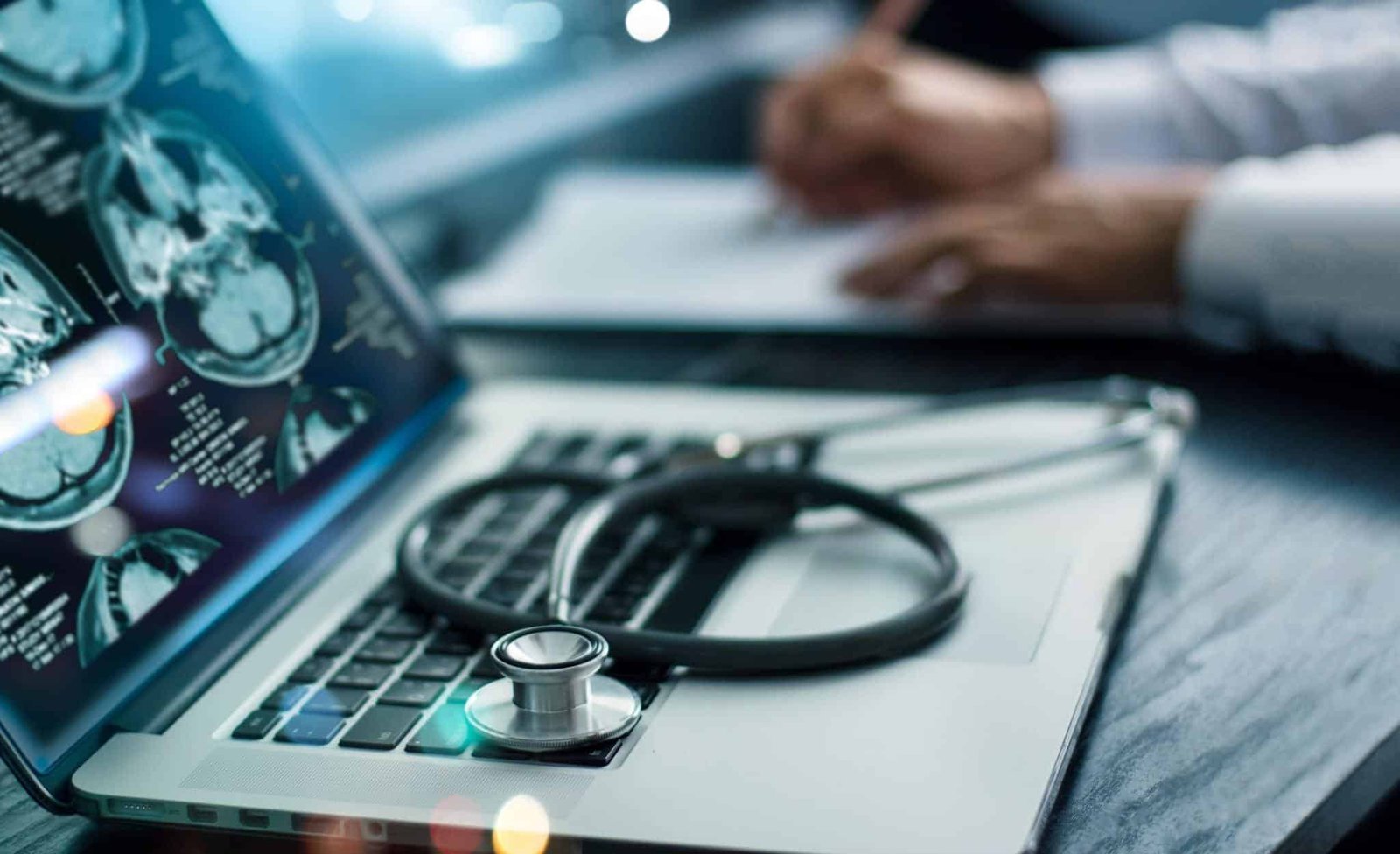
Stroke Management & Rehabilitation by Dr. Ankit Prajapati
Stroke management and rehabilitation is a structured, time-sensitive care journey that begins with emergency medical, endovascular, or neurosurgical stabilization during a brain stroke and continues through targeted secondary stroke prevention and multidisciplinary neuro-rehabilitation to restore movement, speech, swallowing, and daily independence. At Sterling Hospital, Gurukul, Ahmedabad, Dr. Ankit Prajapati (MBBS, MS, MCh Neurosurgery) coordinates acute stroke evaluation, endovascular and microsurgical care, Dedicated Neuro-Critical Care, and post-stroke rehabilitation planning—helping patients recover safely and lower the risk of a second stroke.
A stroke changes life in seconds—not only for the person experiencing it, but for the entire family. Whether a stroke happens because a blood clot blocks a brain artery (ischemic stroke) or a weakened blood vessel ruptures and bleeds into or around the brain (hemorrhagic stroke), rapid early action protects salvageable brain tissue while structured rehabilitation helps the brain relearn skills over weeks and months.
As a Consultant Neurosurgeon and Brain & Spine Specialist at Sterling Hospital, Gurukul, Ahmedabad, Dr. Ankit Prajapati supports patients across the entire stroke continuum—from urgent neurovascular and surgical decision-making in the hospital to long-term secondary prevention and rehabilitation guidance.
Understanding Stroke: Ischemic vs. Hemorrhagic
Effective stroke care starts with rapid brain imaging to distinguish between the two main types of stroke, because their emergency treatments differ:
-
Ischemic Stroke: Occurs when a blood clot or plaque narrows or blocks an artery supplying blood to part of the brain. Starved of oxygen and glucose, brain cells in the core die quickly, while surrounding tissue (the ischemic penumbra) may be saved if blood flow is restored rapidly through clot-busting therapy or endovascular mechanical thrombectomy.
-
Hemorrhagic Stroke: Occurs when a blood vessel—often weakened by chronic high blood pressure, a ruptured aneurysm, or an arteriovenous malformation—ruptures and bleeds inside brain tissue or the surrounding spaces, increasing pressure inside the skull and irritating nearby brain pathways.
Recognizing Sudden Stroke Warning Signs (FAST)
Acting immediately when symptoms appear is critical:
-
Face Drooping: One side of the face droops or feels numb when smiling.
-
Arm Weakness: One arm drifts downward or feels weak/numb when raised.
-
Speech Difficulty: Slurred speech, trouble speaking, or difficulty understanding simple sentences.
-
Time to Act Fast: Sudden vision loss, loss of balance/coordination, or a sudden severe headache also warrant immediate emergency transport to a stroke-capable center like Sterling Hospital, Gurukul, Ahmedabad.
Phase 1: Acute Stroke Care & Neurosurgical / Endovascular Stabilization
During the acute phase, every minute matters. Care at Sterling Hospital, Gurukul focuses on rapid diagnosis, stabilizing vital signs, and preventing further brain injury:
-
Urgent CT / MRI & Vascular Imaging: Quickly differentiates ischemic from hemorrhagic stroke, identifies large-vessel blockages or aneurysms, and guides immediate intervention.
-
Endovascular & Surgical Options: Depending on scan findings, eligible patients may receive clot-busting therapy, endovascular mechanical thrombectomy (clot retrieval), carotid/intracranial stenting, aneurysm coiling/clipping, or microsurgical/endoscopic hematoma evacuation and decompressive surgery.
-
Dedicated Neuro-Critical Care: Close monitoring of blood pressure, oxygen, blood sugar, temperature, and intracranial pressure in the Neuro-ICU prevents secondary complications in the critical early days.
Phase 2: Secondary Stroke Prevention (Lowering Future Risk)
Surviving an initial stroke or transient ischemic attack (TIA / “mini-stroke”) makes preventing a recurrent stroke a top priority. Long-term medical management typically targets:
-
Blood Pressure Control: Consistent management of hypertension—one of the strongest modifiable drivers of both ischemic and hemorrhagic strokes.
-
Blood Sugar & Lipid Management: Controlling diabetes and lowering LDL cholesterol with prescribed therapies and nutrition guidance.
-
Antithrombotic or Anticoagulant Therapy: Appropriate antiplatelet or blood-thinning medications tailored to the underlying stroke cause (such as atherosclerosis or atrial fibrillation) and bleeding safety profile.
-
Lifestyle & Carotid Evaluation: Stopping smoking, limiting alcohol, maintaining heart-healthy activity, and addressing significant carotid artery narrowing when indicated.
Phase 3: Multidisciplinary Stroke Rehabilitation & Neuroplasticity
Rehabilitation is not an optional add-on after stroke—it is a core medical therapy that harnesses neuroplasticity, the brain’s capacity to reorganize and form new neural connections around injured areas. Progress is often fastest during the first few months, while meaningful gains can continue well beyond that with consistent practice.
A comprehensive post-stroke rehabilitation program at Sterling Hospital, Gurukul, Ahmedabad typically brings together:
-
Neuro-Physiotherapy: Targeted exercises to rebuild muscle strength, balance, coordination, posture, and safe walking (gait training), while managing spasticity or stiffness.
-
Occupational Therapy: Practical training for everyday activities—dressing, bathing, grooming, hand/arm dexterity, and home safety modifications—to support independent living.
-
Speech, Language & Swallowing Therapy: Helps patients overcome slurred speech (dysarthria) or language difficulties (aphasia) and performs safe swallowing (dysphagia) evaluations so food and liquids are taken safely without aspiration risk.
-
Cognitive & Emotional Support: Addresses memory, attention, fatigue, and post-stroke mood changes (such as frustration or low mood), with active family and caregiver training.
What Families Can Expect During Recovery
Stroke recovery rarely follows a straight line – some functions return quickly while others improve gradually over weeks or months. Families play a vital role by encouraging safe daily exercises, keeping track of medications and follow-up appointments, and watching for any sudden new neurological symptoms that require prompt review.