Brain, Spine & Neurovascular Treatments in Ahmedabad
Dr. Ankit Prajapati, Consultant Neurosurgeon and Brain & Spine Specialist at Sterling Hospital, Gurukul, Ahmedabad, provides complete surgical, endovascular, and non-surgical treatments for brain, spine, and nerve disorders. Specialized treatments include traumatic head and spine injury surgery, brain hemorrhage evacuation, dedicated Neuro-Critical Care, neuronavigation-guided brain tumor surgery, endoscopic brain and spine surgery, slip disc and spine fracture fixation, nerve root pain injections, trigeminal neuralgia injection and Microvascular Decompression (MVD), endovascular stroke intervention, and structured stroke rehabilitation.
Neurological disorders affect the body’s most delicate control centers—the brain, spinal cord, and peripheral nerves. Choosing the right treatment requires an accurate diagnosis, modern neuro-imaging, and a specialist skilled in both minimally invasive procedures and complex microsurgery.
At Sterling Hospital, Gurukul, Ahmedabad, Dr. Ankit Prajapati (MBBS, MS, MCh Neurosurgery) offers patient-centered, evidence-based neurosurgical care. Dual-trained in open microsurgery and neuro-endovascular intervention, he delivers tailored treatments ranging from targeted pain-relief injections to life-saving emergency cranial and spinal procedures.
Brain, Neurovascular & Cranial Treatments
1. Endovascular Surgeries for Brain Stroke
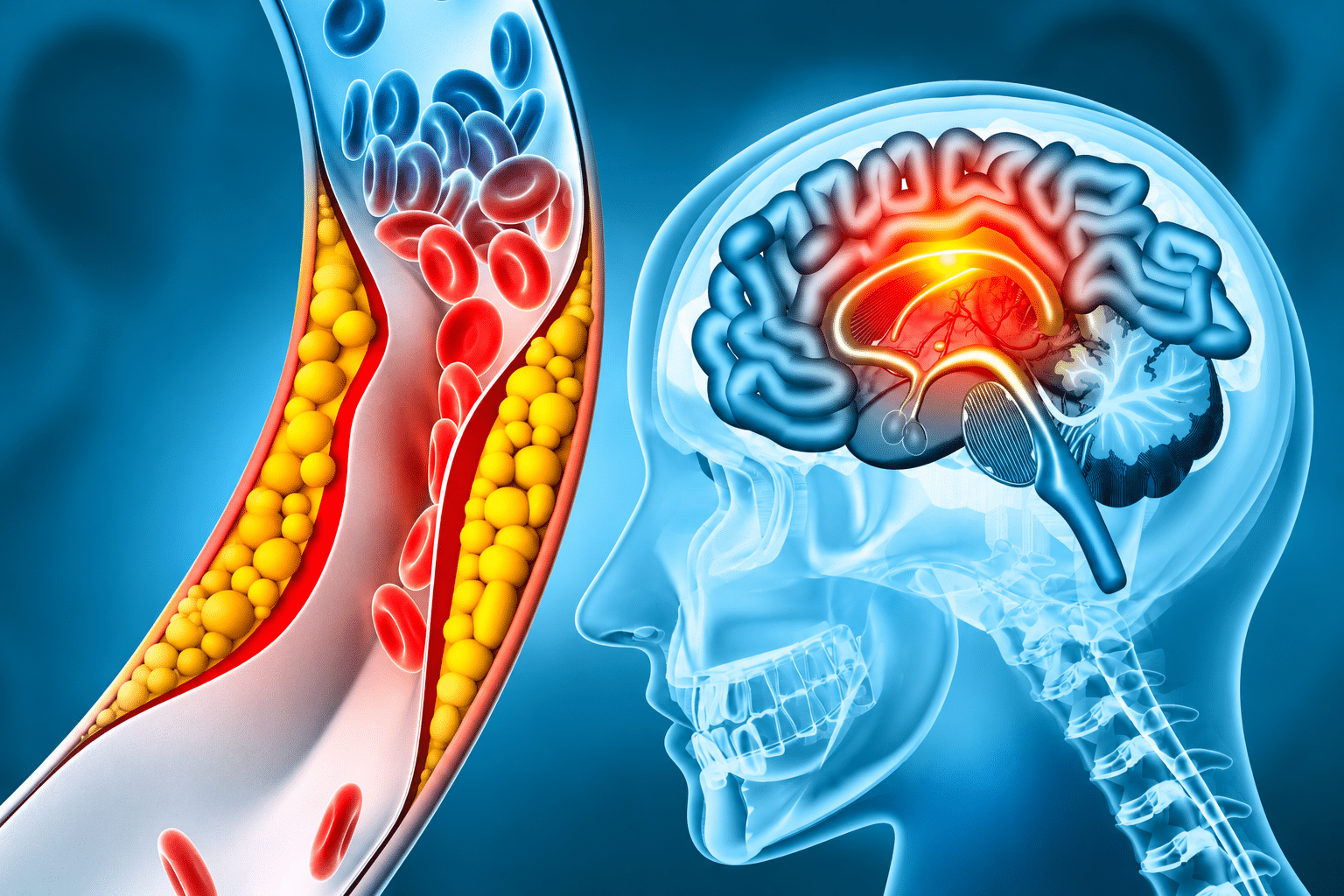
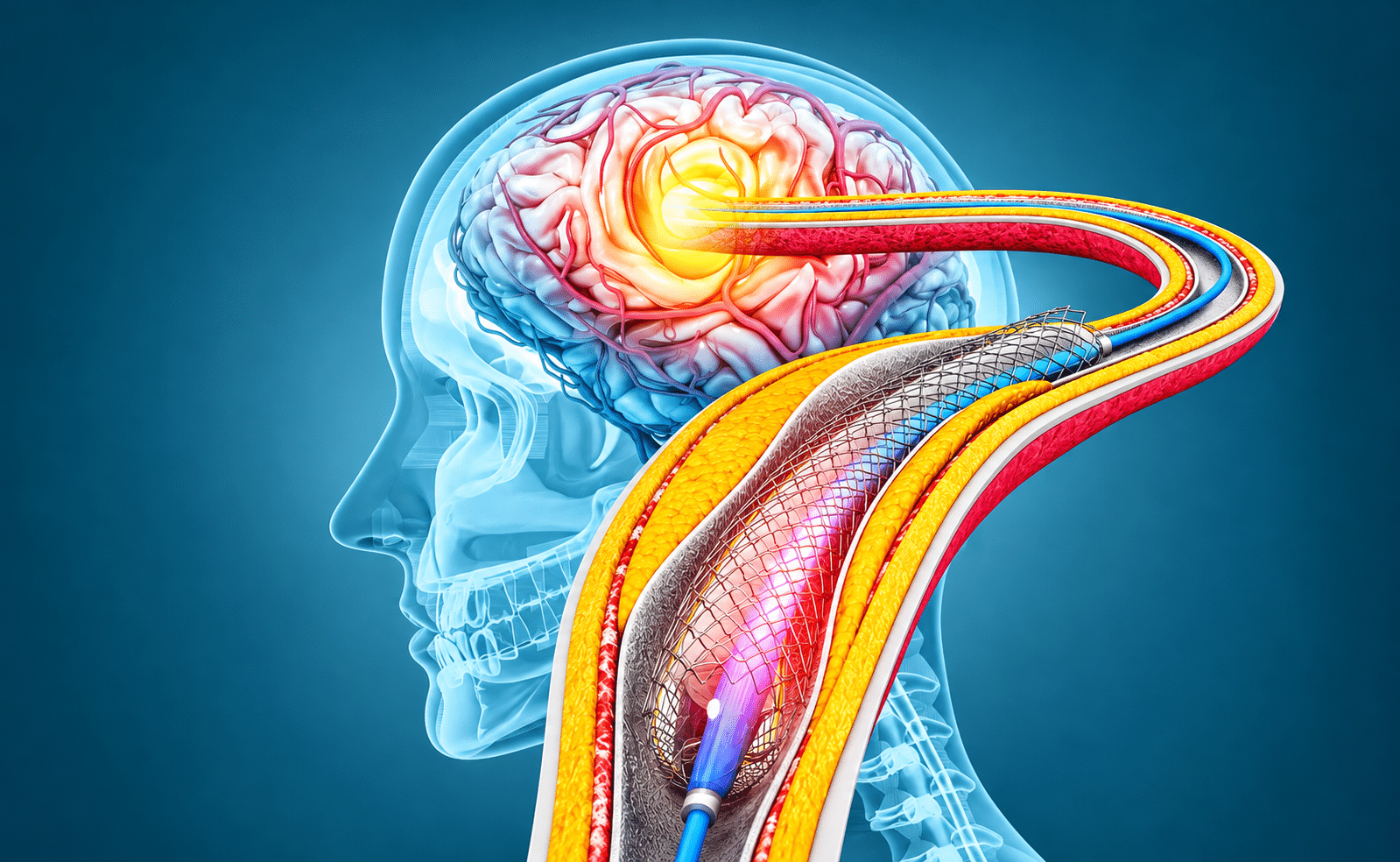
Acute ischemic stroke occurs when a blood clot blocks circulation to the brain. Dr. Ankit Prajapati performs advanced catheter-based endovascular stroke interventions, including mechanical thrombectomy (clot retrieval) and carotid or intracranial stenting. Using real-time Digital Subtraction Angiography (DSA) guidance through a tiny blood vessel entry point, blood flow is restored rapidly to salvage oxygen-starved brain tissue and prevent permanent paralysis.
2. Surgery for Brain Hemorrhage & Ruptured Aneurysms
Bleeding inside the skull—whether caused by uncontrolled high blood pressure, a ruptured brain aneurysm, or an arteriovenous malformation (AVM)—requires immediate intervention. Depending on clot size and vascular anatomy, treatment includes microsurgical clot evacuation, decompressive craniectomy to relieve dangerous intracranial pressure, endovascular aneurysm coiling, or microsurgical clipping to prevent re-bleeding.
3. Surgery for Brain Tumours
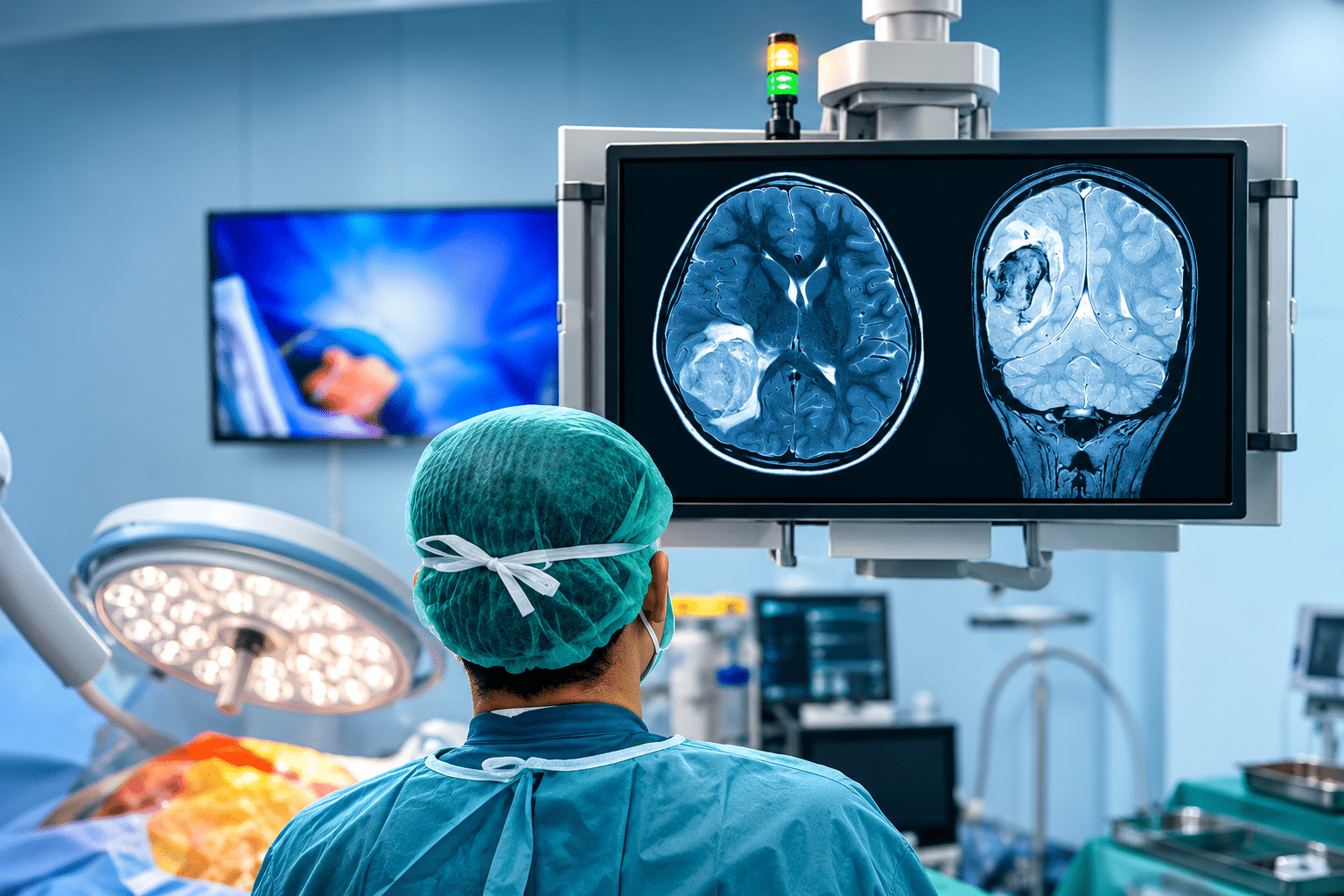
Dr. Ankit Prajapati performs precision microsurgery for both benign and malignant brain tumors, including meningiomas, gliomas, pituitary adenomas, acoustic neuromas, and metastatic lesions. Utilizing 3D intraoperative neuronavigation, high-magnification surgical microscopes, and real-time neuromonitoring, tumors are removed safely while protecting critical pathways controlling speech, vision, memory, and movement.
4. Dedicated Neuro-Critical Care Services
Severe brain injuries, post-operative brain tumor patients, status epilepticus, and acute strokes require continuous, specialized intensive monitoring. At Sterling Hospital, Gurukul, patients receive round-the-clock Neuro-Critical Care featuring intracranial pressure (ICP) monitoring, neuro-protective ventilation, hemodynamic stabilization, and coordinated ICU management to maximize neurological recovery.
Minimally Invasive Spine & Pain Management Treatments
5. All Types of Endoscopic Brain and Spine Surgery
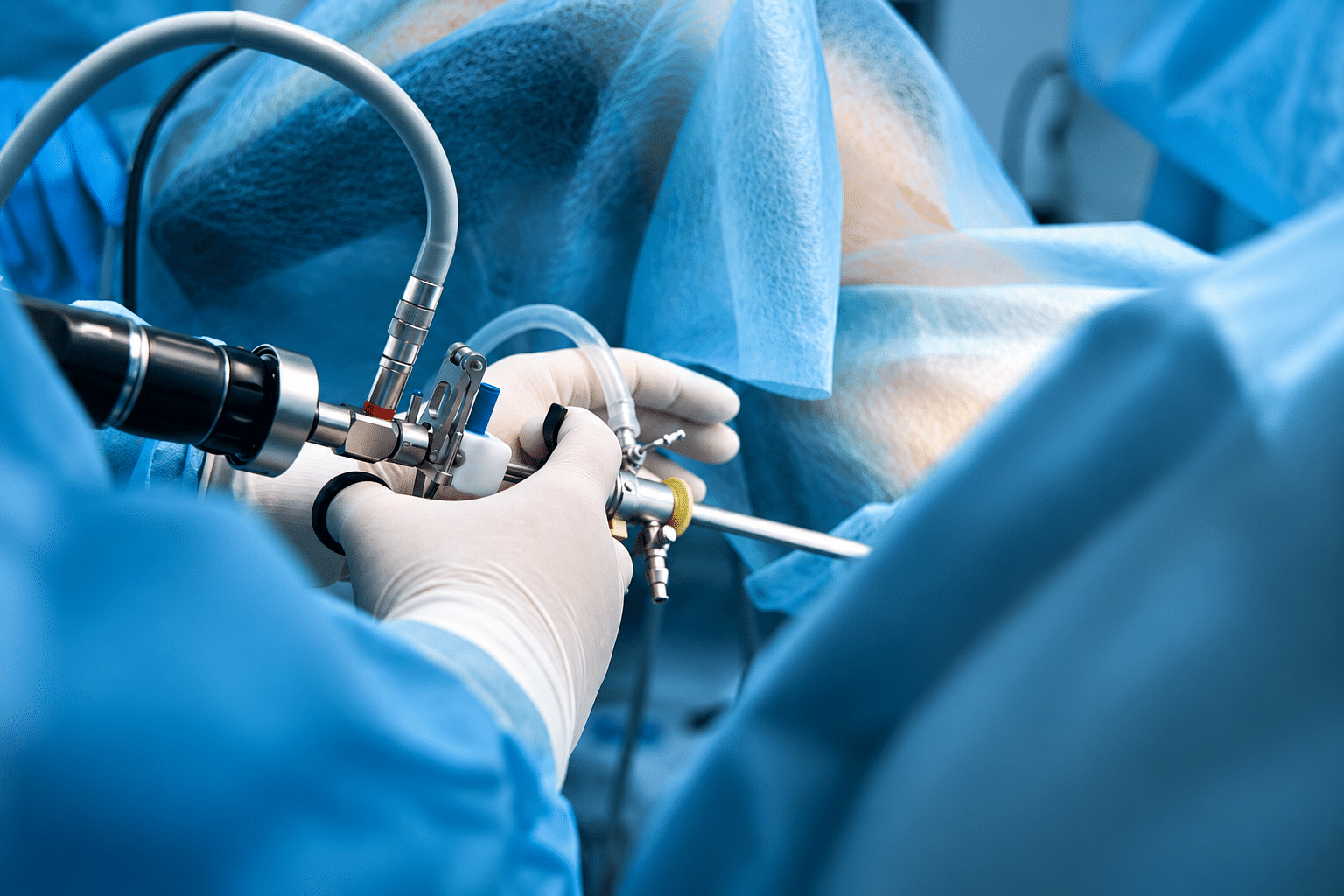
Using ultra-thin, high-definition endoscopes and sub-centimeter keyhole openings, endoscopic brain and spine surgery minimizes tissue trauma and accelerates healing:
-
Endoscopic Spine Surgery: Keyhole discectomy and spinal decompression performed by gently separating—rather than cutting—back muscles, allowing same-day or next-day walking and faster return to work.
-
Endoscopic Brain Surgery: Minimally invasive transnasal approaches for pituitary and skull-base tumors, as well as Endoscopic Third Ventriculostomy (ETV) for hydrocephalus without external shunts.
6. Surgery for Slip Disc & Spine Fracture
When a lumbar or cervical slip disc (herniated disc) severely compresses a spinal nerve or a spine fracture threatens spinal cord stability, timely surgical repair protects long-term mobility. Treatments include microdiscectomy, endoscopic decompression, spinal canal stenosis widening, and precision titanium pedicle screw and cage fixation to restore vertebral alignment and eliminate nerve compression.
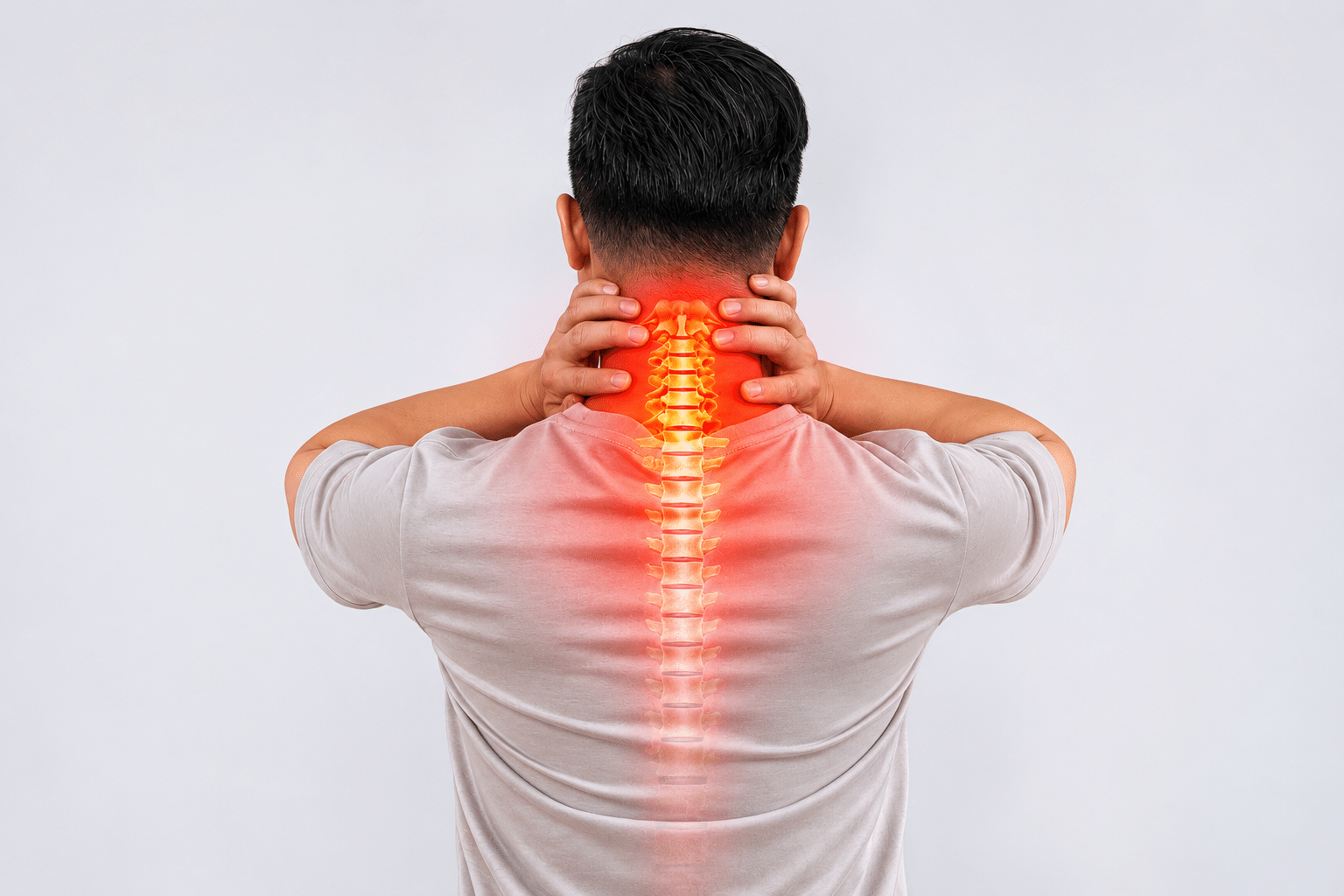
7. Nerve Root Blocks & Injection Treatment for Neck and Back Pain
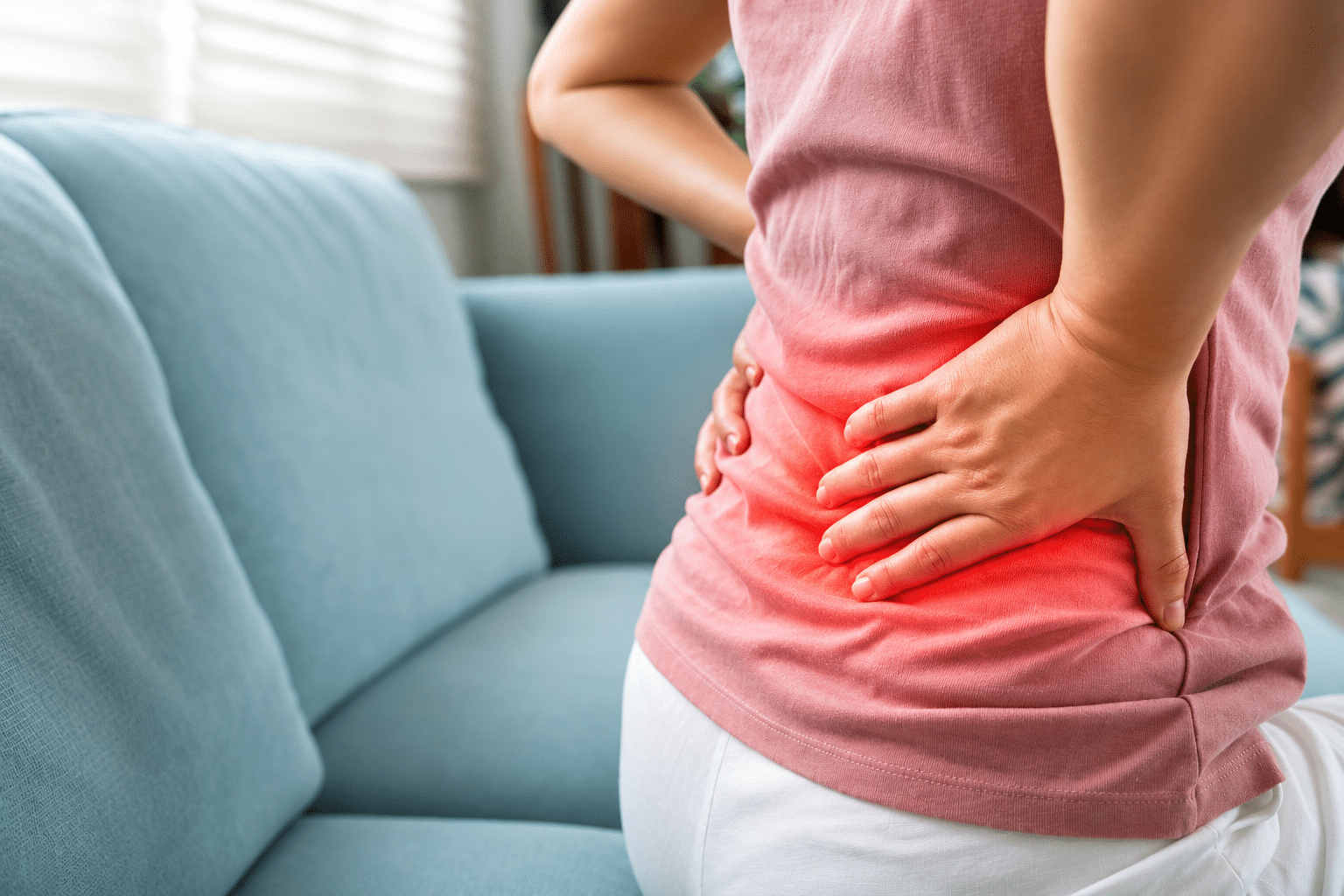
Over 85% of spine pain cases do not require immediate surgery. For persistent cervical radiculopathy, sciatica, or facet joint pain, Dr. Ankit Prajapati administers image-guided selective nerve root blocks (SNRBs) and epidural steroid injections. These targeted outpatient procedures deliver anti-inflammatory medication directly around irritated nerve roots to calm pain rapidly and enable effective physiotherapy.
Trigeminal Neuralgia & Facial Pain Treatments
8. Injection for Trigeminal Neuralgia
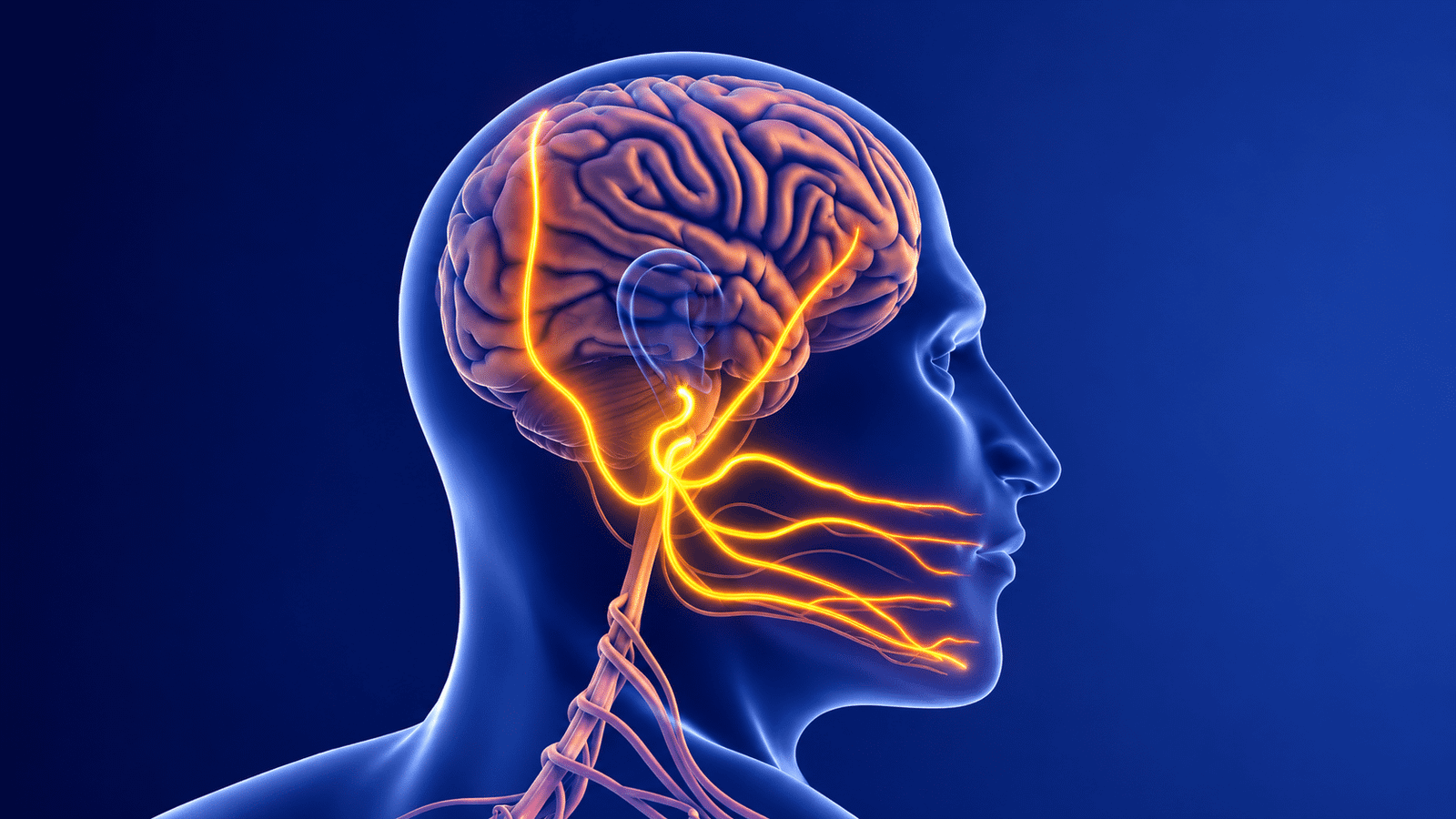
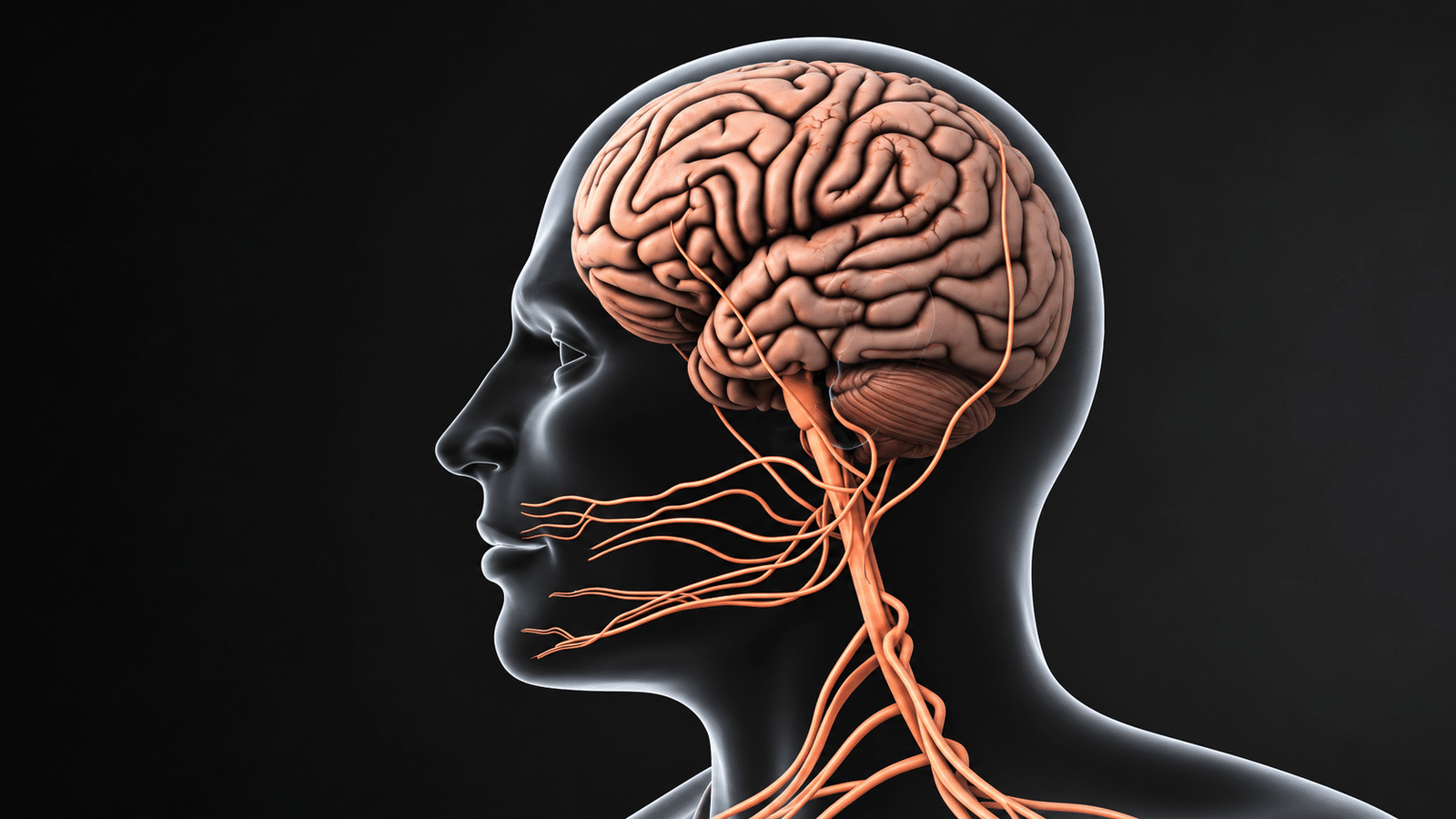
Trigeminal neuralgia causes sudden, electric-shock-like facial pain triggered by talking, chewing, brushing teeth, or light touch. For patients who are elderly, medically unfit for general anesthesia, or seeking immediate non-open relief, percutaneous radiofrequency rhizotomy or glycerol nerve block injections selectively calm overactive pain fibers in the trigeminal nerve with minimal recovery time.
9. Microvascular Decompression (MVD) for Trigeminal Neuralgia
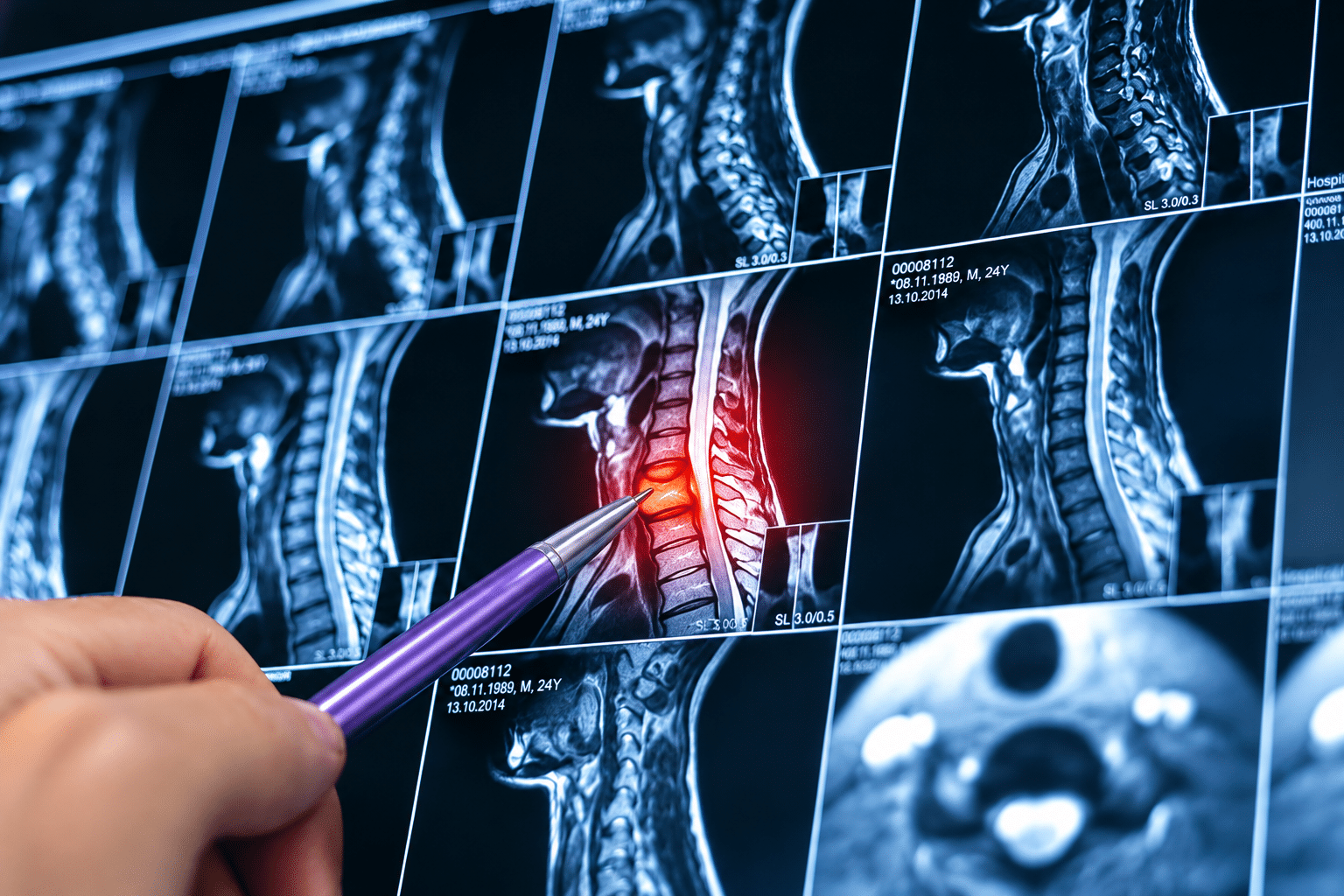
When an MRI reveals a pulsating blood vessel compressing the trigeminal nerve root at the brainstem, Microvascular Decompression (MVD) offers the most durable, long-term cure. Through a tiny keyhole opening behind the ear, Dr. Ankit Prajapati delicately separates the offending blood vessel from the nerve and places a micro-Teflon cushion between them—relieving facial pain while preserving normal facial sensation.
Neurotrauma & Post-Stroke Recovery
10. Treatment for Traumatic Head and Spine Injury
Road traffic accidents and falls require rapid, coordinated trauma care. Dr. Ankit Prajapati provides 24/7 emergency management for epidural and subdural hematomas, depressed skull fractures, brain contusions, and acute spinal cord injuries, performing urgent cranial decompression and spinal stabilization to prevent secondary neurological damage.
11. Stroke Management and Rehabilitation
Complete recovery after a brain stroke extends well beyond emergency hospitalization. Comprehensive stroke management and rehabilitation combines secondary stroke prevention (blood pressure, cholesterol, diabetes, and antiplatelet optimization) with structured neuro-physiotherapy, speech and swallowing therapy, and occupational therapy to rebuild neural pathways and restore daily independence.